Κολέγιο CITY College
Main Campus, Thessaloniki, Greece
An exciting learning and networking opportunity for MBA participants from all countries
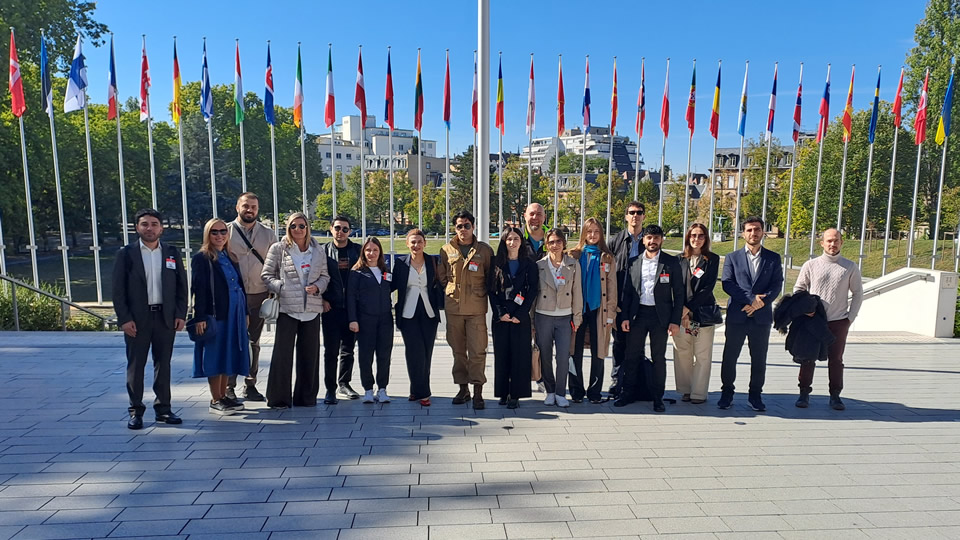
Executive MBA students from across the Pan-European Executive MBA network came together at the University of Strasbourg, France, for an intensive international study module hosted by the Faculty of Economics and Management.
Located at the crossroads of France, Germany and the wider Rhine region, the University of Strasbourg provides a particularly distinctive setting for the programme. With a history dating back to 1538 and a community of more than 50,000 students, the University combines a strong international academic tradition with close links to European institutions and cross-border cooperation. Strasbourg itself is home to the Council of Europe, the European Court of Human Rights and the European Parliament, creating a unique environment in which management education can be connected with wider European economic, institutional and societal issues.
At the centre of the Study Module was Open Collaboration Tools for European Business and Sustainable Society, led by Professor Thierry Burger-Helmchen. The module examines how organisations can move beyond traditional organisational boundaries and collaborate effectively with businesses, customers, suppliers, public institutions, universities and wider society. Particular emphasis is placed on open innovation, open strategy, organisational resilience, sustainability, intellectual property and the creation of long-term value through collaboration.
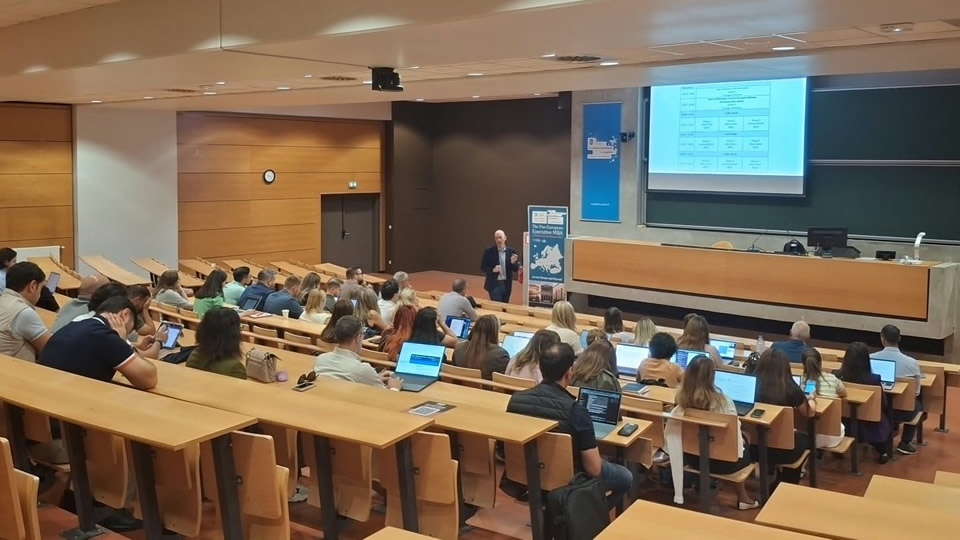
The learning experience was deliberately highly interactive, combining plenary lectures, small-group workshops, case discussions, simulations and an institutional visit. Students worked in different groups throughout the module, encouraging the exchange of ideas and professional perspectives between participants from different national and professional backgrounds.
The programme moved progressively from open collaboration and innovation to strategic decision-making under crisis conditions, sustainability, European institutions and managerial behaviour. Participants explored how organisations respond when established assumptions and resources are disrupted and how resilience can involve not only recovering from crises, but also anticipating change, adapting organisational structures and maintaining essential activities in turbulent environments.
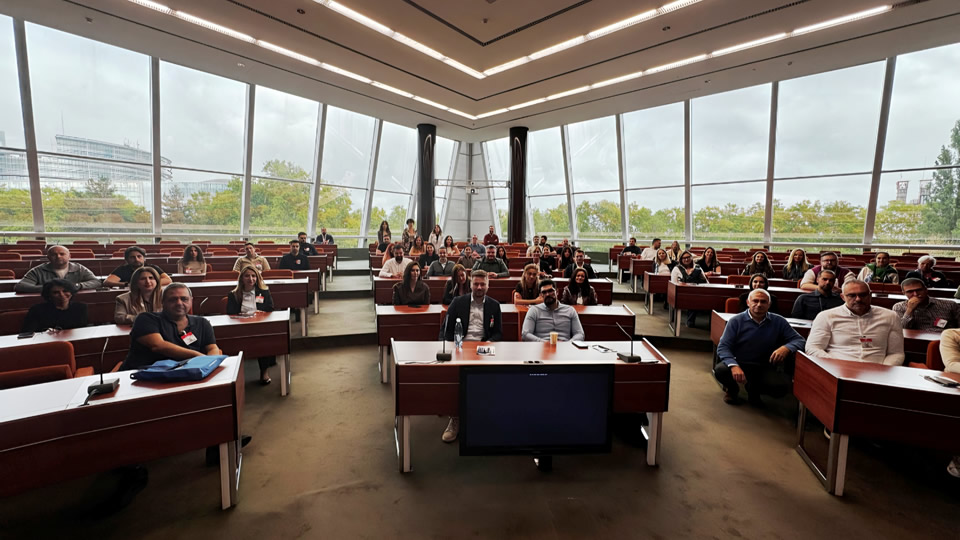
A particularly experiential part of the programme focused on extreme events, strategic decision-making and organisational resilience, led by Professor Emmanuel Muller and the R-SQUAD. Students worked in teams representing the leadership of an international company facing a major crisis, using simulation to develop their strategic and managerial decision-making skills under challenging conditions.
The Study Module also extended learning beyond the classroom through a visit to the Council of Europe, allowing participants to connect their discussions on business, sustainability and organisational decision-making with the broader European institutional environment. The location of the University also offered participants the opportunity to experience Strasbourg’s wider European setting, with the European Parliament and other major European institutions nearby.
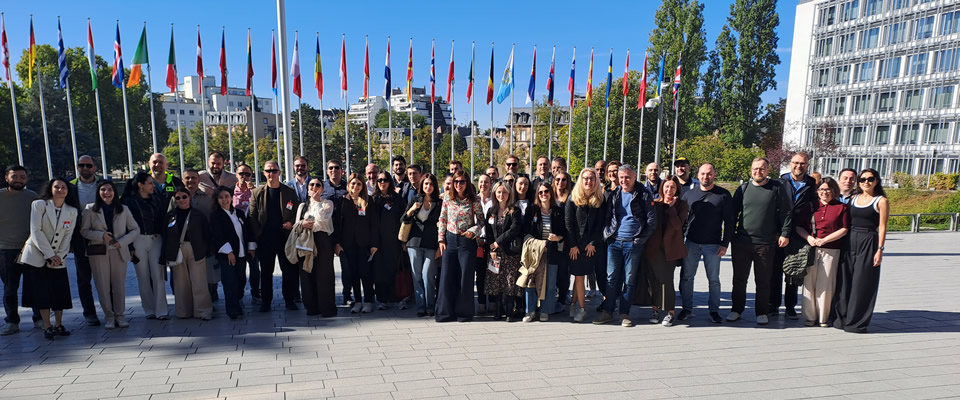
Another important component examined Corporate Social Responsibility and sustainable innovation, considering how organisations around the world are responding to major environmental and societal challenges. Students worked with real cases and discussed how sustainability can become part of corporate innovation and international strategy rather than remaining separate from core business decision-making.
The final part of the programme brought many of these themes together through sessions on self-theories, negotiation and performance appraisal, followed by a competitive firm simulation. Working as management teams, students assumed different executive responsibilities, analysed markets and made coordinated financial, commercial, production and strategic decisions while competing with other simulated companies.
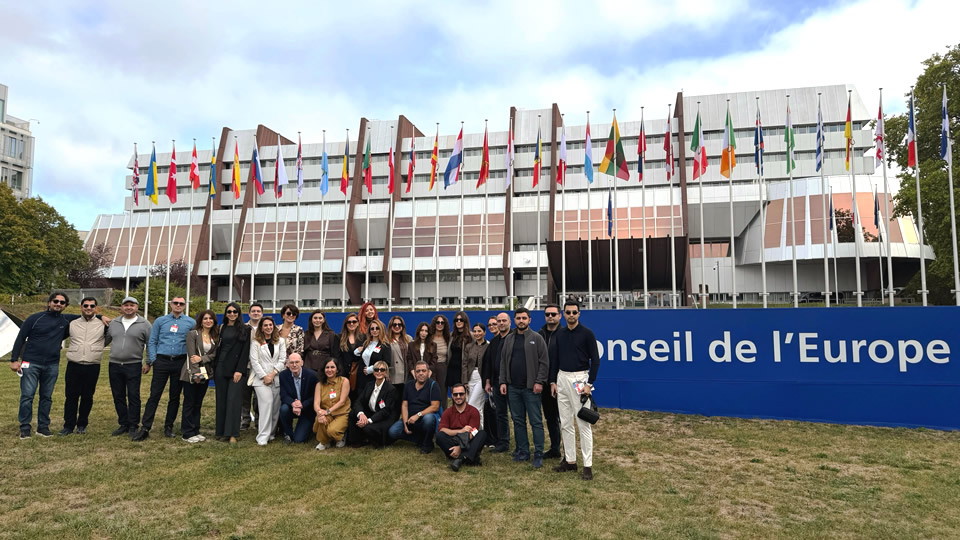
The module was delivered by an international teaching team including Professor Thierry Burger-Helmchen, Dr Antoine Bureth, Professor Julien Pénin, Professor Marion Neukam, Professor Emmanuel Muller and the R-SQUAD, Lise Martins Nourry, Dr André Schmitt and Professor Véronique Schaeffer, bringing together expertise spanning innovation, strategy, economics, sustainability, resilience and organisational behaviour.
Overall, the Strasbourg Study Module reflected one of the defining characteristics of the Pan-European Executive MBA: bringing executives from different countries and professional backgrounds together to learn through academic insight, practical application and international exchange. By combining management education with simulations, collaborative workshops and direct exposure to Strasbourg’s European institutional environment, the experience encouraged participants to examine business decisions not only from an organisational perspective, but also within their broader economic, societal and European context.


Admissions Office:
3, Leontos Sofou Street,
546 26 Thessaloniki, Greece.
Tel: (+30) 2310 224026
Administration Office:
24, Proxenou Koromila Street,
546 22 Thessaloniki, Greece.
Tel: (+30) 2310 224186, 275575
Fax: (+30) 2310 287564
Information e-mail: acadreg@york.citycollege.eu
ΓΕΜΗ: 042071406000


