Κολέγιο CITY College
|
News & Events
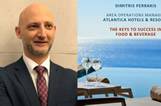
Manager of Atlantica Hotels and Resorts delivers online presentation to business students
What are 'The keys to success in Food and Beverage management'? This was the focus of the online presentation delivered Wednesday 21 April 2021 by Mr Dimitris Perrakis (Area Operations Manager, Atlantica Hotels & Resorts) to third-year BA (Hons) Hotel and Hospitality programme students. The event was part of the Food&Beverage Management in Hotels and Hospitality unit taught by Dr Giovanni Serafini. Thanks to the speaker's vast experience, CITY College, University of York Europe Campus students were able to appreciate Mr Dimitris Perrakis' insights on major developments in F&B management. After illustrating the difference in F&B management trends before and after the year 2000, he then focused on the massive impact of Covid-19 on F&B operations. The deep changes caused by the pandemic encompass both F&B products and, most importantly, services. Since contactless services are expected to become the norm, hospitality businesses need to invest in digital services, educate visitors, and employ a talented workforce. Thus, the pandemic urges F&B professionals to be, among others, 'safe environment providers'. The resulting minimisation of human interaction renders the emotional intelligence of hospitality professionals an imperative, now more than ever. Being customer-centric acts as a fundamental organizing and design principle. Guest lectures take place frequently at CITY College, offering students the opportunity to get valuable insights from industry experts.
06/05/2021
Professional Development Seminar Online: Modern CVs and skills in the Digital world
14 May 2021
26/04/2021
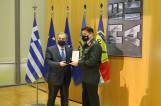
Mr Fourtounas participates in Risk Management Workshop organised by the Ministry of National Defence in Athens
Mr. Athanasios Fourtounas, Assistant Professor at our Business Administration & Economics Department, participated as speaker in the Risk Management Seminar organised by the Ministry of National Defense in Athens with a particularly insightful presentation on 'Risk Management and Hybrid Threats'. The successful seminar featured distinguished speakers and was attended by participants from various Greek Ministries as well as representatives from the private sector and it was conducted in a hybrid way (70 participants live and 200 participants online). A real case scenario of Hybrid threats was examined during the workshop by applying all the processes of Risk Management.
26/04/2021
A world-class dual degree Executive MBA
The Pan-European Executive MBA: a dual degree MBA with CITY College, University of York Europe Campus and the Faculty of Economics and Management of University of Strasbourg A rigorous, truly international Executive MBA programme leading to two degrees awarded by two distinguished universities: The University of York and the University of Strasbourg A dynamic collaboration between CITY College, University of York Europe Campus and The University of Strasbourg Educating leaders for Business, Government and Society A unique educational opportunity for executives and business professionals across Europe and beyond CITY College, University of York Europe Campus together with the Faculty of Economics and Management of the prestigious University of Strasbourg have formed a strategic educational collaboration and are jointly offering a world-class, dual degree programme: the Pan-European Executive MBA programme. Over the last 30 years CITY College has been offering the Executive MBA programme across South East and Eastern Europe, making it one of the best MBA choices in the region. Today, the Executive MBA has evolved into a dual degree programme, the Pan-European Executive MBA, leading to two degrees awarded by two distinguished universities from Europe: a top British university, the University of York and a prestigious French university, the University of Strasbourg. This dynamic and highly promising educational collaboration presents a unique educational opportunity to today's executives and business professionals across South East and Eastern Europe, as well as the Caucasus region. Currently delivered in 8 countries, the Pan-European Executive MBA, is an innovative programme designed for today’s managers and business professionals who need to improve their skills and knowledge for professional, career and personal development. This outstanding Executive MBA programme presents unique benefits to participants through a challenging and truly international educational experience with invaluable networking opportunities. Executives from all cities attending the programme will meet for joint classes during three exciting Study Trips (York, Strasbourg, Thessaloniki). The programme is taught by distinguished professors and industry experts from the CITY College Europe Campus, the University of York, the University of Strasbourg, as well as other well-recognised universities worldwide. Prof. Leslie Szamosi presents the Pan-European Executive MBA The Pan-European Executive MBA programme More about the University of York More about the University of Strasbourg View the Pan-European Executive MBA on the University of Strasbourg website (in French) The Pan-European Executive MBA in the media The Pan-European Executive MBA featured on the French portal DNA (Les Dernières Nouvelles d'Alsace) Article on the Pan-European Executive MBA on the French website 'StudyramaPro' Article on the Pan-European Executive MBA on GR Times portal
23/04/2021
Professional Development Seminar Online: An Introduction to Machine Learning
23 April 2021
22/04/2021

The English Studies Department Explores how to Research Fantasy Worlds and Speculative Fiction
Think of a world…any world…imaginary…slightly imaginary…do you just read about it…talk about it…live in it…? This is what the ESD was called upon to initially consider in the seminar that took place on Wednesday 14th April titled: “Fantastical Worlds and How to Study them: Conducting Academic Research on Speculative Fiction Worldbuilding.” Ms Dimitra Nikolaidou offers her insights, knowledge, and expertise on a rich, entertaining even escapist area, but also one that has begun receiving more attention from academia. Ms Nikolaidou primarily informs of the vastness of worldbuilding, how the term has been applied so broadly that it is difficult to utilize in critical discussions. There are also some noted misunderstandings, for instance, worldbuilding is not to be confused with setting. Instead, worldbuilding involves studying the ways in which authors/creators conjure worlds but also how we as readers or viewers or even gamers perceive those worlds. Drawing on multiple examples from Dune, to Tolkien, to World of Warcraft, to Dungeons and Dragons to Flash Gordon, Ms Nikolaidou raises our awareness towards the fact that certain genres like fantasy, horror and science fiction were not taken seriously and were not considered acceptable topic areas for academic research. Fortunately, for all us avid fans out there, various reasons - either works receiving acclaims, becoming mainstream through adaptation or transmedia treatment, or the academic turn towards such genres and types of story worlds - these genres began receiving more serious scholarly attention. Thus, great opportunities were given to readers, writers, creators, fans as well as scholars and academics to explore these rich and fantastic worlds. Of course, as Ms Nikolaidou explains, when it comes to academic research there are certain requirements: one must have read/viewed/played the respective text (and other similar ones), be familiar with certain traditional core theories, be familiar with the genre of the work, the medium of the work as well as tools and methodologies. While all this appears overwhelming, Ms Nikolaidou offers some guidelines that can assist in narrowing down certain items and becoming more selective. Aspects to consider include whether the world under examination is primary or secondary, the mode of worldbuilding (authorial, reader or critical worldbuilding) should also be taken into consideration as it can narrow and determine our approach as well as theoretical choices and tools we choose to utilize, and the actual fantasy world – as a whole, but also its parts and how they are structured. Ms Nikolaidou presents certain categorizations that have been proffered by scholars to assist in how one approaches texts and the worlds in them. For instance, Ms Nikolaidou referred to Farah Mendlesohn’s 4 categories: portal/quest fantasy, immersive fantasy, intrusive fantasy, and liminal fantasy where each world has a different goal in service to the story. Whilst indicating certain challenges regarding the Authorial or Reader approach, Ms Nikolaidou focused more on the Critical Worldbuilding mode and drawing on Ekman and Taylor suggested two potential approaches one can utilize: the Architectural approach where emphasis is placed on the function of the place, the form and the meaning it generates as well as the idea(s) this conjured world represents, while the second is that of Dynamic Interplay an approach that takes into account the interrelationship of aspects within the world and even outside the world. All in all, whether one is a writer, reader, or scholar, one can find unique, insightful, and fruitful ways to examine worldbuilding, contribute ideas, approaches, and concepts towards its impact across various disciplines and if one thing is certain it is that if a picture is worth a thousand words, imagine how many things we could say, discuss, write, and debate about worldbuilding!
19/04/2021

Training Sessions offered by the Library Staff to help students successfully utilize online library resources and services
With information available in a variety of formats and in many resources, it is essential that students develop skills to enable them to effectively explore and successfully use that information. To help students get started with the research process, the library organized Training Sessions for undergraduate and postgraduate students. The purpose of the tutorials was to: Locate and access information using different library collections and the Internet. Understand the need to use quality information and define research topics for assignments and dissertation. Understand the differences between articles from scholarly journals and articles from popular magazines. Create a bibliography – Cite information – Use Bibliographic Management Tools. Tutorials were interactive, with students having the opportunity to submit their own questions and discuss any further information needs. Relevant library guides and support material was sent to students upon the end of the sessions. The library staff assured students that they “will continue to work hard to provide the best possible support through their studies and contribute to an effective learning experience”. If you are a student who needs further instruction on the use of information resources and services, send an email to the library and request an online instructional meeting.
14/04/2021
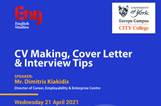
Seminar on CV Making, Cover Letter & Interview Tips
Wednesday 21 April 2021
14/04/2021
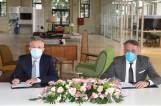
A Memorandum of Understanding is signed by CITY College Europe Campus and Cisco DT&S in Thessaloniki
CITY College, University of York Europe Campus signed a Memorandum of Understanding with Cisco's International Centre for Digital Transformation and Digital Skills in Thessaloniki on 7 April 2021, thus concluding a new dynamic collaboration with a global leader in digital technology. The cooperation was sealed by the signing of the Memorandum by Mr. Yiannis Ververidis, President and Principal of CITY College University of York Europe Campus, and by Mr. Antonis Tsiboukis, General Manager of Cisco Hellas, as representative of the International Centre for Digital Transformation and Digital Skills. The aim of this Memorandum is to define a strategic framework for undertaking joint development, research, education and dissemination of digital transformation technologies, create innovative solutions to societal challenges, as well as cooperate with relevant international technology, business and society actors. This strategic framework foresees cooperation in common research projects, relevant studies, development of innovative projects and pilot technological applications, creation of educational programs for cutting-edge technologies, and use of international networks to develop cooperation between local companies and their counterparts abroad. Mr. Yiannis Ververidis, Principal and President of CITY College, University of York Europe Campus said: "The signing of the Memorandum of Understanding with Cisco's International Centre for Transformation and Digital Skills demonstrates the alignment of our vision and objectives: To enhance and promote digital transformation and to promote Thessaloniki as an international hub for innovation and start-up entrepreneurship. Our educational role, international identity and research capacity aligns us with the overall scope of the Centre." #citycollegethess #ciscoDTS #Cisco #memorandum
09/04/2021
Professional Development Seminar Online: Postgraduate Studies: Making the right choice for success
9 April 2021
07/04/2021
Digital Talk by Cisco Greece in cooperation with CITY College, University of York Europe Campus
WATCH NOW: Το Διεθνές Κέντρο Ψηφιακού Μετασχηματισμού και Ψηφιακών Δεξιοτήτων της Cisco, σε συνεργασία με το CITY College, University of York Europe Campus, σας προσκαλούν στην 2η εκδήλωση των Digital Talks @ DT&S, που θα πραγματοποιηθεί την Τετάρτη 7 Απριλίου στις 16:00 με θέμα: «Ο Ψηφιακός Μετασχηματισμός στην Εργασία, στην Εκπαίδευση, στην καθημερινότητα μας» Πώς θα είναι η εργασία και η εκπαίδευση στη μετά COVID-19 εποχή; Ποιές μπορεί να είναι οι θετικές επιπτώσεις και ποιά τα προβλήματα που θα δημιουργηθούν; Πώς επηρέασε η πανδημία και η μετάβαση σε ψηφιακές πλατφόρμες της εργασίας και της εκπαίδευσης, τους εργαζόμενους και τους μαθητές/ σπουδαστές; Ποιές είναι οι αναγκαίες υποδομές που απαιτούνται για την μετάβαση στην εποχή του «υβριδικού μοντέλου εργασίας και εκπαίδευσης»; Η πανδημία βοήθησε στην υιοθέτηση ψηφιακών τεχνολογιών στο χώρο της εργασίας και της εκπαίδευσης σε ευρεία κλίμακα. Σε συνδυασμό με την επιτάχυνση της ψηφιακής μετάβασης, δημιουργούνται νέες ευκαιρίες και προκλήσεις. Εγγραφείτε εδώ ΠΡΟΓΡΑΜΜΑ 16:00 – Έναρξη / Χαιρετισμοί Υφυπουργός Εσωτερικών αρμόδιος για θέματα Μακεδονίας-Θράκης, κ. Σταύρος Αθ. Καλαφάτης Πρόεδρος, City College, University of York Europe Campus κ. Ιωάννης Βερβερίδης 16:10 - Αλλαγές στον τρόπο εργασίας και εκπαίδευσης Deloitte, Διευθύντρια Τμήματος Ανθρωπίνου Δυναμικού, κα Δομνίκη Καβατζίκη City College, University of York Europe Campus, Καθ. Πέτρος Κεφαλάς, Αντιπρόεδρος (Εκπαίδευση) Fraport Greece, Head of ΙΤ & Τelecoms, κ. Ιωάννης Θεόφιλος Τοποθετήσεις Υπουργείο Εργασίας και Κοινωνικών Υποθέσεων, Υπουργός κ. Κωστής Χατζηδάκης Ελληνικό Ανοικτό Πανεπιστήμιο, Πρόεδρος κ. Οδυσσέας Ζώρας Παράδειγμα τηλεργασίας Digital Nomads, Jerome Bajou, workfromnaxos.gr 16:55 - Επιδράσεις στην ψυχολογία των εργαζομένων και μαθητών University of York, Professor of Mental Health, Dr Lina Gega Ιατρική Σχολή Αριστοτελείου Πανεπιστημίου Θεσσαλονίκης, Καθηγητής Ψυχιατρικής, κ. Κωνσταντίνος Φουντουλάκης 17:30 - Ερωτήσεις Κοινού & Συμπεράσματα Τοποθετήσεις & Ερωτήσεις από το κοινό Σύνοψη & Συμπεράσματα Συντονίστρια: κα Σαμολαδά Μαρία, Διευθύντρια του GRTimes.gr και δημοσιογράφος στο RealFM H εκδήλωση υλοποιείται σε συνεργασία με το CITY College, University of York Europe Campus Αν δεν παρακολουθήσατε την 1η εκδήλωση, είναι διαθέσιμη στο YouTube Εγγραφείτε εδώ Επιστημονικός Συνεργάτης Οργάνωσης
01/04/2021
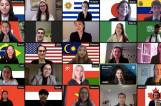
Students from CITY’S MUN receive Awards in London’s International Model United Nations Conference
Congratulations to our students, Sofija Spasenoska, Co-President of CityMUN and Ahmed El Fawal, member of CityMUN, who received Awards at London’s International Model United Nations Conference (LIMUN). Our students participated and excelled in the 22nd Session of Europe's largest university-level MUN conference, LIMUN 2021 which took place virtually between the 26th and 28th March. Themed, “Reimagining Global Governance,” the conference welcomed aspiring student-diplomats featuring ambassadors and diplomats from many countries around the world. Sofija Spasenoska participated in this year's London International Model United Nations conference as the Director of the United Nations Environmental Programme and was awarded the LIMUN Award for Academic Excellence, an award presented to Chairs who produce superlative academic documents for their delegates, demonstrating a keen understanding of their committee, topic and the key tenets of diplomacy and negotiation. Ahmed El Fawal was the second CityMUN attendee of the LIMUN conference to receive an Award. Ahmed participated as a delegate in the ECOSOC committee representing Brunei and was presented The Honorable Mention Award in the ECOSOC committee. His preparation for the conference and his performance won him and award in a particularly competitive committee. The ECOSOC 2021 agenda was Restructuring the Global Trade System. Despite representing a micro Asian state, Ahmed was able to conduct productive talks and construct fruitful debates. He was also able to merge the two blocs of his house and establish consensus in the committee, contributing to effective change-making policies. Both students enjoyed the LIMUN 2021 experience and had the opportunity to attend particularly interesting sessions and meet with delegates from all over the world! Our students commented: “We had great pleasure debating with delegates from all around the world and attending various events such as the Academic Panel, Diplomatic Panel made up of ambassadors, director-generals at the UN among others.” CityMUN remains dynamic and active and continues to serve as inspiration to our student community. What is LIMUN? London International Model United Nations (LIMUN) is the largest university-level Model United Nations conference in Europe. Its mission is to foster cultural exchange and connect future leaders with the change-makers of today. LIMUN's conferences consist of simulations of United Nations organs and other fora of international affairs, challenging young people to take on the roles of world leaders. Participants assume the mantles of national ambassadors, simulating various organs, committees and specialised agencies while seeking to resolve outstanding issues on the international agenda. Source: https://limun.org.uk
01/04/2021
  48 from 163 48 from 163   |