Κολέγιο CITY College
|
News
The driving forces of Hospitality: Technology, Innovation and Education
The following event is going to take place in Greek. Παρακολουθήστε την εκδήλωση: Διαδικτυακή Εκδήλωση Οι κινητήριες δυνάμεις της Φιλοξενίας: Τεχνολογία, Καινοτομία και Εκπαίδευση (26 Μαΐου 2021) Προσκεκλημένοι Ομιλητές Natalia Bayona Διευθύντρια του Τμήματος Καινοτομίας, Εκπαίδευσης και Επενδύσεων του Διεθνούς Οργανισμού Τουρισμού, UNWTO Παναγιώτης Αλμυράντης Αντιπρόεδρος της Ευρωπαϊκής Ένωσης Διευθυντών Ξενοδοχείων, Γενικός Διευθυντής Daios Cove Luxury Resort & Villas Ανδρέας Παπαθεοδώρου Καθηγητής, Πανεπιστήμιο Αιγαίου Ομιλητές - Πάνελ Συζήτησης Γιώργος Κουτσοκώστας, ΙΝΣΕΤΕ Διευθυντής Εκπαίδευσης Κύρος Ασφής, Founder of Nea Mesa, Hotel & Tourism Digital Marketing Agency Βάνια Κάμτσιου, Senior Trainer & Founder of Welcome Global Δημήτρης Περράκης, Area Operations Manager Atlantica Hotels and Resorts Νάσος Φανός, Δικηγόρος εξειδικευμένος σε GDPR και σύναψη συμβολαίων φιλοξενίας Δήλωση συμμετοχής Το CITY College, University of York Europe Campus σας προσκαλεί στην Διαδικτυακή Εκδήλωση που διοργανώνει με τίτλο "Οι κινητήριες δυνάμεις της Φιλοξενίας: Τεχνολογία, Καινοτομία και Εκπαίδευση", την Τετάρτη 26 Μαΐου 2021 στις 15:30. Σκοπός της εκδήλωσης είναι η ανάδειξη της χρησιμότητας της τεχνολογίας, της επιτακτικής ανάγκης για καινοτομία και της σωστής εκπαίδευσης για την επίλυση ζητημάτων που έχουν επιδεινωθεί εξαιτίας της πανδημίας και απασχολούν τους Έλληνες ξενοδόχους. Η εκδήλωση αφορά Έλληνες ξενοδόχους, φοιτητές, εκπαιδευτές και επαγγελματίες που δραστηριοποιούνται στον τουρισμό και τη φιλοξενία. Πρόγραμμα Εκδήλωσης * Η εκδήλωση θα πραγματοποιηθεί στα Ελληνικά. 15:30 Χαιρετισμοί - Καθ. Πέτρος Κεφαλάς, Αντιπρόεδρος (Εκπαίδευση), CITY College, University of York Europe Campus 15:40 Ms. Natalia Bayona, Διευθύντρια του Τμήματος Καινοτομίας, Εκπαίδευσης και Επενδύσεων του Διεθνούς Οργανισμού Τουρισμού, UNWTO “Τhe road towards a more conscious, innovative and educated tourism sector” 15:50 Προσκεκλημένος Ομιλητής: κ. Παναγιώτης Αλμυράντης, Αντιπρόεδρος της Ευρωπαϊκής Ένωσης Διευθυντών Ξενοδοχείων, Γενικός Διευθυντής Daios Cove Luxury Resort & Villas “Γενικός Διευθυντής ξενοδοχείου: προκλήσεις και ευκαιρίες” 16:00 Πάνελ συζήτησης: "Ο ρόλος της τεχνολογίας και της καινοτομίας στην Φιλοξενία" Παναγιώτης Αλμυράντης, Αντιπρόεδρος της Ευρωπαϊκής Ένωσης Διευθυντών Ξενοδοχείων, Γενικός Διευθυντής Daios Cove Luxury Resort & Villas Κύρος Ασφής, Founder of Nea Mesa, Hotel & Tourism Digital Marketing Agency Δημήτρης Περράκης, Area Operations Manager Atlantica Hotels and Resorts Νάσος Φανός, Δικηγόρος εξειδικευμένος σε GDPR και σύναψη συμβολαίων φιλοξενίας Συντονιστής: Δρ. Giovanni Oscar Serafini, Αν. Καθηγητής, CITY College, University of York Europe Campus 16:40 Προσκεκλημένος Ομιλητής: κ. Ανδρέας Παπαθεοδώρου, Καθηγητής, Πανεπιστήμιο Αιγαίου «Ο ρόλος της μεταδευτεροβάθμιας εκπαίδευσης στον τουρισμό και τη φιλοξενία» 16:50 Πάνελ συζήτησης: "Ο ρόλος της εκπαίδευσης στον τουρισμό" Γεώργιος Κουτσοκώστας, ΙΝΣΕΤΕ Διευθυντής Εκπαίδευσης Βάνια Κάμτσιου, Senior Trainer & Founder of Welcome Global Ανδρέας Παπαθεοδώρου, Καθηγητής, Πανεπιστήμιο Αιγαίου Συντονίστρια: Δρ. Λεμονιά Παπαδοπούλου - Κελίδου, Λέκτορας, CITY College, University of York Europe Campus 17:30 Κλείσιμο εκδήλωσης Δήλωση συμμετοχής
14/05/2021
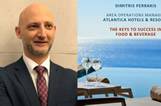
Manager of Atlantica Hotels and Resorts delivers online presentation to business students
What are 'The keys to success in Food and Beverage management'? This was the focus of the online presentation delivered Wednesday 21 April 2021 by Mr Dimitris Perrakis (Area Operations Manager, Atlantica Hotels & Resorts) to third-year BA (Hons) Hotel and Hospitality programme students. The event was part of the Food&Beverage Management in Hotels and Hospitality unit taught by Dr Giovanni Serafini. Thanks to the speaker's vast experience, CITY College, University of York Europe Campus students were able to appreciate Mr Dimitris Perrakis' insights on major developments in F&B management. After illustrating the difference in F&B management trends before and after the year 2000, he then focused on the massive impact of Covid-19 on F&B operations. The deep changes caused by the pandemic encompass both F&B products and, most importantly, services. Since contactless services are expected to become the norm, hospitality businesses need to invest in digital services, educate visitors, and employ a talented workforce. Thus, the pandemic urges F&B professionals to be, among others, 'safe environment providers'. The resulting minimisation of human interaction renders the emotional intelligence of hospitality professionals an imperative, now more than ever. Being customer-centric acts as a fundamental organizing and design principle. Guest lectures take place frequently at CITY College, offering students the opportunity to get valuable insights from industry experts.
06/05/2021
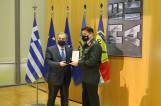
Mr Fourtounas participates in Risk Management Workshop organised by the Ministry of National Defence in Athens
Mr. Athanasios Fourtounas, Assistant Professor at our Business Administration & Economics Department, participated as speaker in the Risk Management Seminar organised by the Ministry of National Defense in Athens with a particularly insightful presentation on 'Risk Management and Hybrid Threats'. The successful seminar featured distinguished speakers and was attended by participants from various Greek Ministries as well as representatives from the private sector and it was conducted in a hybrid way (70 participants live and 200 participants online). A real case scenario of Hybrid threats was examined during the workshop by applying all the processes of Risk Management.
26/04/2021
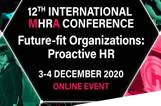
Dr Serafini presents at the 12th International MHRA Conference
Dr Giovanni Serafini presented to the 12th International MHRA Conference on the subject of Future-Fit Organizations: Proactive HR. A small extract from Dr Serafini's very interesting presentation follows: "HR must embrace agility moving forward. This is not only forced by COVID-19, it is required of organisations aiming to be customer centric. Agile HR facilitates the application of HR fundamentals: (1) support and empowerment of employees (2) giving responsibility to employees for their own development. Often, employees are much better qualified to make the best decisions because they are: (1) closer to reality (2) closer to where the real action takes place. COVID-19 offers the most conclusive test to establish the value of the HR function: it is the ultimate crisis for HR in organizations. Here, the word CRISIS should be understood from its Greek root meaning 'judgement'. Once the pandemic is over, HR professionals will be judged as to how they have performed. Top management must inspire the workforce through HR leadership that is resilient, supportive, and trustworthy in unprecedented times. If successful, then organisations are able not only to retain talent, but to attract talent in the long term."
15/12/2020
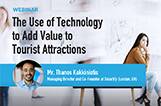
The use of technology to add value to tourist attractions" guest lecture by Mr Thanos Kokkiniotis from Smartify
Visitor expectations are changing and the webinar on 'The use of technology to add value to tourist attractions' enlightened us on the power of applications such as Smartify, a world-leading mobile visitor guide. Today, our distinguished speaker was Mr Thanos Kokkiniotis, Managing Director and Co-Founder at Smartify (UK) who presented how the Smartify guide allows visitors to follow their own interests and curated tours, with additional features such as e-commerce. Mr Thanos Kokkiniotis revealed that museums and the visitor attraction sector were unprepared for the COVID-19 pandemic and have no established digital business models, thus pointing to the need to invest in digital. The imperative - which also applies to hotels - is to implement targeted marketing, online memberships, e-commerce, and, most importantly, engagement with customers before, during and after the visit (end-to-end). This was an awesome opportunity to bring a key industry representative to our Hospitality & Tourism classes at The University of Sheffield International Faculty CITY College. A great thank you to Mr Thanos Kokkiniotis for sharing his unique competence and experience!
24/11/2020
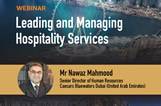
Leading and Managing Hospitality Services Webinar with Mr nawaz Mahmood
25 November 2020 Mr Nawaz Mahmood, Senior Director of Human Resources at CAESARS BLUEWATERS DUBAI, contributed his amazing insights on the hospitality industry during a webinar titled 'Leading and managing hospitality services'. During his hour-long presentation he discussed his role as HR leader in a world class establishment managing a particularly diverse workforce. He stressed that diversity is a key value in delivering outstanding customer experience. Students posed many questions about HRM and career development and were reminded about the importance of cultivating leadership skills for their future professional success. Unit leader : Dr Giovanni Serafini
18/11/2020
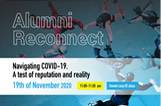
Alumni Reconnect webinar by Ms Simona Stoica
19 November 2020
18/11/2020
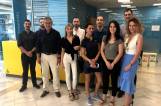
Real-life student project for 5* Grand Hotel Palace in Thessaloniki
Practicum student project for the largest 5-star conference hotel in Thessaloniki Opportunity to get first hand insights into the hotel and hospitality sector A project on examination of customer feedback via online review The largest 5-star conference hotel built in Thessaloniki, The Grand Hotel Palace, was the company-client for a real-life project of a group of undergraduate students of CITY College’s Business Administration and Economics Department. The project involved examination of customer feedback via online review. Students’ aim was to understand the academic theory behind customer reviews and then summarise the feelings, impressions and opinions of Grand Hotel Palace customers and provide recommendations to the senior management of the hotel to further enhance its reputation. Special thanks to Mr Ioannis Aslanis, General Manager and Ms Maria Chatziparachi, Guest Relations Manager of Grand Hotel Palace for offering this opportunity to our students. Students at CITY College have the opportunity to work on real-life projects, practice their skills and knowledge, and better understand the links between business theory and practice in actual settings. University-industry cooperation integrated in the education of students is highly promoted in all CITY College’s academic programmes and proves a real asset for our students. What is the Practicum? Business Practicums are supervised action learning projects designed to provide students with an opportunity to manage a project for an organization (“participating company-client”). They aim to successfully bridge academic knowledge and the development of professional skills and employability. They are team-based and normally delivered over a semester requiring students to devote an average of 150-200 hours in total (depending on the nature of the project). The student work is complemented by classroom-based teaching/mentoring. The precise nature of the project can vary enormously depending on both the nature and the needs of the organisation. Participating companies can be large corporations or small local businesses. The common denominator is a genuine need for help with a problem or appreciation of the added value of some independent research beyond the resources or capabilities of the participating company. This may be a general management problem, a marketing issue, a finance matter or any number of specific challenges.
29/10/2020
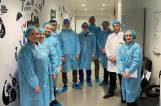
Real-life practicum project for ‘Ioniki Sfoliata’ by CITY College business students
Practicum project for one of the leading manufacturers of frozen dough and pastry products Applying knowledge in the ‘real-world’: A rewarding learning experience for our students while working under the supervision of business experts. Project key objectives included brand awareness and brand loyalty as well as analysis of competition in frozen dough and pastry products in the Greek market Undergraduate students of the Business Administration and Economics Department of CITY College, had the opportunity get first-hand field experience by working on a real-life project with Ioniki Sfoliata, one of the most important manufacturers of frozen dough and pastry products based in Thessaloniki, Greece. Photos from our students' company visit at Ioniki Sfoliata (Februrary 2020) Working under the valuable guidance of Mr Yiannis Vaharoglou, COO, our students were tasked to conduct primary market research to support new product development strategies and propose brand communication ideas for their existing brands. The project was undertaken as part of the Practicum of their studies which is a valuable and successful component of all Bachelors programmes of the Business Department. While working for their practicum business students learn new skills, work closely with accomplished professionals from a range of industry sectors, build up employability skills and competences and have one of the most rewarding learning experiences during their studies at CITY College. For 28 years now, Ioniki Sfoliata has been one of the most important vertically organized production units of frozen dough and pastry products in the Greek market. The company holds a leading position in the food service, private as well as branded label channels in Greece and abroad. The production plant is in Thessaloniki and it is a vertically organized production unit of 5.000sqm at 25.000sqm plot of land, which are equipped with a Logistics Centre, modern automated production lines, Quick freezing tunnels with cutting edge technology and a fully Equipped Quality Control Laboratory. Students at CITY College have the opportunity to complete challenging real-life projects, practice their skills and knowledge, and better understand the links between business theory and practice in actual settings. Project-based learning energises students by showing them how academic knowledge is applied in the “real world.” Projects allow students to test their ideas in the company of supportive business professionals and experts who push them to excel. University-industry cooperation integrated in the education of students is highly promoted in all CITY College’s academic programmes and proves a real asset for our students. What is the Practicum? Business Practicums are supervised action learning projects designed to provide students with an opportunity to manage a project for an organization (“participating company-client”). They aim to successfully bridge academic knowledge and the development of professional skills and employability. They are team-based and normally delivered over a semester requiring students to devote an average of 150-200 hours in total (depending on the nature of the project). The student work is complemented by classroom-based teaching/mentoring. The precise nature of the project can vary enormously depending on both the nature and the needs of the organisation. Participating companies can be large corporations or small local businesses. The common denominator is a genuine need for help with a problem or appreciation of the added value of some independent research beyond the resources or capabilities of the participating company. This may be a general management problem, a marketing issue, a finance matter or any number of specific challenges.
16/10/2020

Real-life project for ‘Green Family SA’ by our Business Students
Our students had the opportunity work on real-life project for the largest franchise network of certified organic products in Greece Building employability skills while putting theory into practice Connecting students to industry Bachelors students of CITY College’s Business Administration and Economics Department, had the opportunity to work on a real-life project with ‘Green Family’, the largest franchise network of certified organic products in Greece. Students worked on the project 'Organic products and consumer behaviour during Covid-19 pandemic and lockdown', as part of their practicum*, under the direct supervision of Mr Antonis Amanios, Marketing Director, of Green Family. Their main goals included the analysis of the buying behaviour of bio consumers and the discussion of elements of brand identity applying primary and secondary research methodologies. Working with industry leaders, such as Green Family in the market of organic products, provides CITY College students with the opportunity to gain invaluable insight and experience and learn from successful business experts. The main methodology tools that were utilised were secondary research as well as an online survey. The survey’s questions were formulated for consumers that purchase biological products. The context of those questions was about the purchasing routine, preferences and tendencies of consumers not only in general but also during the COVID-19 lockdown. Green Family SA was founded in 1996. Since then it is a reference point in the market of organic products in Greece. It is the first nationwide chain of stores selling organic products with a presence in the cities of Thessaloniki, Athens, Larissa and Volos. It is the first vertically organized company in the field of organic products. The company's vision is “to provide the family with all the products of everyday life, that will make her life better”. Green Family is investing in a relationship of trust with customers and for that reason has certifications at all levels of its operations (sourcing, packaging retail stores). The company supports more than 300 Greek organic farmers and small businesses at all stages of their production. Finally Green Family SA has more than 700 private label products. Students at CITY College have the opportunity to work on real-life projects, practice their skills and knowledge, and better understand the links between business theory and practice in actual settings. University-industry cooperation integrated in the education of students is highly promoted in all CITY College’s academic programmes and proves a real asset for our students. What is the Practicum? Business Practicums are supervised action learning projects designed to provide students with an opportunity to manage a project for an organization (“participating company-client”). They aim to successfully bridge academic knowledge and the development of professional skills and employability. They are team-based and normally delivered over a semester requiring students to devote an average of 150-200 hours in total (depending on the nature of the project). The student work is complemented by classroom-based teaching/mentoring. The precise nature of the project can vary enormously depending on both the nature and the needs of the organisation. Participating companies can be large corporations or small local businesses. The common denominator is a genuine need for help with a problem or appreciation of the added value of some independent research beyond the resources or capabilities of the participating company. This may be a general management problem, a marketing issue, a finance matter or any number of specific challenges.
14/10/2020
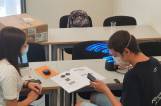
BAED students experiment with 3D Holographic Technology as part of a real-life project
Students of CITY College’s Business Administration and Economics Department, namely Elena Ntouni and Dimitris Kokkalis, were enthusiastic to experiment with 3D Holographic Technology, a cutting edge technology provided by Hypervsn, an award-winning technology company, for the needs of our students’ project. Elena and Dimitris are currently working on a marketing real-life project to assess applications of this amazing technology in different industries. In addition, they research how it improves brand awareness and customer satisfaction. Students at CITY College have the opportunity to work on real-life projects, practice their skills and knowledge, and better understand the links between business theory and practice in actual settings. University-industry cooperation integrated in the education of students is highly promoted in all CITY College’s academic programmes and proves a real asset for our students.
18/09/2020
Career Acceleration Seminar Series
April - May 2020
27/04/2020
  15 from 32 15 from 32   |