Κολέγιο CITY College
|
News

Events by CITY College & YMCA | International Day for the Elimination of Violence Against Women
The following events are going to take place in Greek. To CITY College, University of York Europe Campus και η Χ.Α.Ν.Θ. σας προσκαλούν σε μία σειρά εκδηλώσεων με αφορμή την Διεθνή Ημέρα για την Εξάλειψη της Βίας κατά των Γυναικών. Ομιλία | 21.11 Ενδοοικογενειακή βία και ψυχική υγεία: Δεδομένα από το διεθνή και Ελληνικό χώρο Δευτέρα, 21 Νοεμβρίου 2022 18:00-20:00 "Θεατράκι" Χ.Α.Ν.Θ. Η Ομιλία εντάσσεται στο δωρεάν πρόγραμμα Ομιλιών Ψυχοεκπαίδευσης στη Χ.Α.Ν.Θ. Ομιλήτρια Δρ. Καλλιόπη Μέγαρη - Λέκτορας και Επικεφαλής του μεταπτυχιακού προγράμματος στην Κλινική Ψυχολογία, CITY College, University of York Europe Campus - Μεταδιδακτορική ερευνήτρια ΑΠΘ - Γενική Γραμματέας της Ελληνικής Νευροψυχολογικής Εταιρείας (ΕΝΨΕ) Δήλωση Συμμετοχής Add to Google Calendar Γυναικεία αυτοάμυνα - Taekwon Do Open Class | 25.11 Ανοιχτό Μάθημα Taekwon Do Παρασκευή, 25 Νοεμβρίου 2022 16:30-18:00 Kλειστό γήπεδο της Χ.Α.Ν.Θ. ‘Μίμης Τσικίνας’ (αίθουσα του Taekwon Do) Προπονητές: κ. Γιάννης Ουζούνης, κα. Ευτυχία Πλασκασοβίτη Στα πλαίσια της δράσης θα πραγματοποιηθεί ανοιχτό μάθημα γυναικείας αυτοάμυνας κι αυτοπροστασίας από την ομάδα του Taekwon Do της Χ.Α.Ν.Θ. Add to Google Calendar Βιωματικό Εργαστήριο από τη Διοτίμα | 28.11 Δύναμη μας η στήριξή μας: απαντώντας στη βία κατά των γυναικών Δευτέρα, 28 Νοεμβρίου 2022 18:00-20:00 "Θεατράκι" Χ.Α.Ν.Θ. Δήλωση Συμμετοχής Add to Google Calendar
11/11/2022
Neuropsychology Webinar: 'Neurofeedback: A NASA technology that can be used for therapeutic purposes'
"Neurofeedback: A NASA technology that can be used for therapeutic purposes" Thursday, 23 June 2022 18.00 EEST Watch the event! Speaker: Dr Manousos Klados, Associate Professor CITY College, University of York Europe Campus, Psychology Department Overview: What is neurofeedback? How can it be used for therapeutic purposes? How is NASA involved? In this webinar participants will have the opportunity to find out what Neurofeedback (NFB), also called neurotherapy, is, how it was invented accidentally by NASA and how it can be used for therapeutic purposes and generalized treatment of mental disorders. Learn how the electrical activity from the brain is collected via sensors placed on the scalp using electroencephalography (EEG), with feedback presented using video displays or sound. There is significant evidence supporting neurotherapy for generalized treatment of mental disorders, and it has been practiced over four decades, although never gaining prominence in the medical mainstream. Masters programmes in Neuropsychology The event will take place in the frame of the Masters programmes in Neuropsychology offered by CITY College, University of York Europe Campus in Thessaloniki, Greece and in Sofia, Bulgaria. Event participants will have the opportunity to attend a brief presentation of the programme. Learn more about: Masters programmes in Neuropsychology in Thessaloniki, Greece. Masters programmes in Neuropsychology in Sofia, Bulgaria in collaboration with New Bulgarian University (NBU). Take advantage of our Early Bird Scholarships Watch the event! Event link: The event is going to take place online. Registered participants will receive the link of the event a few days before it takes place. Please note that the time of the event is in EEST. If you are located elsewhere, please calculate the time difference accordingly. For your convenience you can use this time zone converter to make sure you have the right event hours according to the time zone you are located in. Add to Calendar
20/06/2022
Clinical Psychology Webinar: 'Behavioural activation for depression'
WATCH NOW: "Behavioural Activation for Depression" Thursday, 2 June 2022 18.00 EEST Speaker: Dr Lina Gega Professor of Mental Health, University of York Watch the event! Join and share! Overview: This talk will introduce you to the key principles and strategies of behavioural activation (BA), along with its evidence base as a brief psychological therapy for depression. Persistently low mood or irritability, loss of interest or pleasure in day-to-day life, lack of energy and motivation, avoidance and withdrawal are some common symptoms of depression. BA is based on the key principle that enjoyable, purposeful and rewarding activities can lift our mood, energise us, reconnect us with people and things that matter, and stimulate our interest and pleasure in day-to-day life, thereby combating depression. In this talk, we will start by looking at the nature of depression and the relationship between depression (how we feel) and activity (what we do - or avoid doing – in response to how we feel). We will understand how BA works and how it can be applied, with the help of fictional case examples that reflect typical experiences of depression. Finally, we will get an insight into the evidence about the clinical and cost-effectiveness of BA through published trials and reviews. The University of York, whose Europe Campus is CITY College, is a renowned institution in the study and application of BA, having carried out some of the seminal research and largest trials in the field. Join us and discover how behavioural activation can transform our efforts to combat depression. An extra learning resource for Behavioural Activation (BA) As a complementary resource to this talk, you can access a free online course, developed by the University of York, as an introduction to BA. Dr Lina Gega - short bio: Dr Lina Gega is a Professor of Mental Health at the University of York, in a joint appointment with Hull York Medical School and the Department of Health Sciences. She holds an honorary clinical appointment as Nurse Consultant in Psychological Therapies at Tees, Esk & Wear Valleys NHS Trust. As a senior member of the Mental Health and Addiction Research Group, she leads two research themes: Digital Mental Health and Child and Adolescent Mental Health. In her role as Chair of the Postgraduate Programmes Board at Hull York Medical School, she oversees the progression of masters and doctorate students and the quality of taught and research programmes across the two host Universities. MSc in Clinical Psychology The event will take place in the frame of the MSc in Clinical Psychology programme offered by CITY College, University of York Europe Campus in Thessaloniki, Greece. Event participants will have the opportunity to attend a brief presentation of the programme by Dr Suzie Savvidou, Head of the Psychology Department of CITY College. Watch the event! Please note that the time of the event is in EEST. If you are located elsewhere, please calculate the time difference accordingly. For your convenience you can use this time zone converter to make sure you have the right event hours according to the time zone you are located in. Add to Calendar
26/05/2022

BPS re-accreditation for CITY College, University of York Europe Campus
A prestigious accreditation for our Psychology Department We are pleased to announce that CITY College has received re-accreditation by the prestigious British Psychological Society (BPS) for the undergraduate programme offered by its Psychology Department, the BSc (Hons) in Psychology. Our Bachelor programme and the provision offered to students once again met the rigorous criteria set by BPS. The BPS accreditation is a definite hallmark of quality for psychology. It is of immense importance for the recognition of our graduates’ professional rights and indicates that the programmes support quality learning, are well-resourced and cover in depth the curriculum endorsed by the Society. The British Psychological Society (BPS) is the professional body for psychology and psychologists in the UK and has been involved in accrediting programmes of education and training in psychology since the 1970s. It promotes excellence and ethical professional practice and education. Accreditation is the means by which the Society reaches a view on whether psychology courses are suitable to support students’ achievement of learning outcomes, and are supported by an appropriate resource base. Programmes offered by our Psychology Department Bachelors programme Masters programmes
11/02/2022
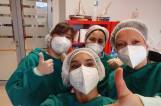
Successful completion of our Master students' Practicum in Clinical Neuropsychology at the rehabilitation center ‘Anagennisi’ under special COVID-19 conditions
Congratulations to our students who successfully completed their practicum at the rehabilitation centre ‘Anagennisi’ Our students worked with dedication and commitment under the challenging COVID-19 conditions within a strictly clinical environment Applying knowledge in the ‘real-world’: A rewarding learning experience for our students while working at a real clinical setting Congratulations to Masters students in Clinical Neuropsychology of our Psychology Department, Mrs. Maria Kyriaki Kokoliou Gounari, Mrs. Bouchra Lahmar and Mrs. Zografia Pratanou who successfully completed their Practicum in Clinical Neuropsychology at the rehabilitation center ‘Anagennisi’ under very special, risky and stressful Covid-19 conditions. Congratulations also go to Mrs. Yasmin Mahana, who completed her practicum in Egypt. With high commitment and dedication our students examined during their practicum several patients even in the emergency room with severe acquired brain damage and post-Covid cases with severe myopathy and cognitive deficiencies, greatly contributing to rehabilitation center's services and their patients' improvement and reintegration in their family and society. As the practicum was conducted within a strictly clinical environment our students had to wear a special equipment (together with enriched masks, gloves etc.) for 6-8 hours daily and take day per day rapid-tests. Dr. Anna Emmanouel, Lecturer at our Psychology Department and responsible supervisor of the Practicum referred with enthusiasm to our students and their great clinical work: “Speaking as the responsible supervisor in clinical neuropsychology for the last six years, since the programme started, also on behalf of Dr. Kyriaki Papadopoulou, from the Psychology Department, we are really proud of them and I have no words to describe their responsibility, their professionalism and kindness towards the patients.” Practicum: Moving from theory to practice Practical experience is central to the education of neuropsychologists. The Practicum component of the MA in Clinical Neuropsychology programme of our Psychology Department is designed to provide that practical experience.Our students have the opportunity to do their Practicum and get the invaluable experience of working with patients in real clinical settings.
07/02/2022
Research Project in Psychology - Poster Session
Final year students of the Psychology Department of CITY College, University of York Europe Campus will present the proposals of their Research Project at the Poster Session that will take place on Friday, 21st January 2022 at our main campus in Thessaloniki (Sofou building).
10/01/2022

'Psychology for All' open seminar series online
January - February - March 2022 The following events are going to take place in Greek. Online Participation Form Συμμετοχή Παρασκευή, 28 Ιανουαρίου 2022 20:00 μμ Η διαδικασία στη θεραπεία του ζεύγους “Το μόνο λάθος είναι η ιδέα του τέλειου ζευγαριού” Χόρχε Μπουκάϊ Δέσποινα Πάρτσια Πιστοποιημένη Ψυχοθεραπεύτρια Gestalt, Κοινωνική Λειτουργός(Δ.Π.Θ.), Υπεύθυνη Επιστημονικών Προγραμμάτων Συλλόγου Γυναικών με Καρκίνο Μαστού «Άλμα Ζωής» Ν. Θεσσαλονίκης, Εκπαιδεύτρια επαγγελματιών ψυχικής υγείας στην ψυχοκοινωνική στήριξη καρκινοπαθών, Μέλος της EAGT (European Association for Gestalt Therapy) και της Ελληνικής Εταιρείας Ψυχοθεραπείας Gestalt (Η.A.G.T.) Σχετικά με την ομιλία: Στη θεραπεία Gestalt η επίγνωση είναι το θεμέλιο για την αλλαγή. Στη διαδικασία της θεραπείας ζεύγους τα ζευγάρια, κατά κανόνα, δεν έχουν την επίγνωση της διαδικασίας τους είναι κολλημένοι μόνο στο τι κάνουν και ποτέ στο πως το κάνουν. Το ζευγάρι για να διορθώσει αυτή τη διαδικασία που δυσλειτουργεί πρέπει να πρώτα μιλήσει για αυτό που συμβαίνει, να μοιραστεί τις σκέψεις του , τα συναισθήματα του και το πώς βιώνει αυτή τη δυσλειτουργία. Ένας από τους σκοπούς της θεραπείας είναι να επιτευχθεί μια συνάντηση. Αυτό που συμβαίνει στη θεραπεία ζεύγους είναι να παρατηρούμε το ζευγάρι και τι κάνει ο καθένας από μόνος του για να αποφύγει την επαφή. Ο σκοπός μας είναι να τους δείξουμε με ποιο τρόπο την εμποδίζει. Μεγάλος μέρος της δουλειάς στη θεραπεία ζεύγους εστιάζεται στο να βοηθάς τον κάθε σύντροφο να βρίσκεται διαρκώς σε επαφή με ότι συμβαίνει στον ίδιο και να μη δαπανά τον χρόνο του μιλώντας για τον άλλον. Να αναλάβει την ευθύνη της δικής του ζωής. Join and share! Παρασκευή, 25 Φεβρουαρίου 2022 20:00 μμ Μετατραυματική Ανάπτυξη (Post- traumatic Growth): Η δύναμη της ευαλωτότητας Αλεξάνδρα Γκιμπιρίτη Ψυχολόγος Α.Π.Θ., Ψυχοθεραπεύτρια Gestalt, Τραυματοθεραπεύτρια EMDR, μέλος της EAGT & HAGT Σχετικά με την ομιλία: Απώλεια, τραύμα, κρίση, ασθένεια, θάνατος και άλλα "σεισμικά γεγονότα" συνοδεύουν πολλές φορές τη ζωή του ατόμου και τη συνταράσσουν δημιουργώντας ρήξη στις υπάρχουσες δομές και λειτουργίες. Ωστόσο, τα "σεισμικά γεγονότα" είναι αυτά που ενεργοποιούν τη διαδικασία της μετατραυματικής ανάπτυξης. Ο όρος μετατραυματική ανάπτυξη (post -traumatic growth) αναφέρεται στην ιδέα της θετικής ψυχικής αλλαγής , μετά από μία έντονη περίοδο αποδιοργάνωσης και στην προσπάθεια εύρεσης νέου νοήματος στη ζωή. Η μετατραυματική ανάπτυξη δεν είναι απλά μία επιστροφή στην προηγούμενη κατάσταση, αλλά είναι μία εμπειρία ριζικής βελτίωσης που είναι μεταμορφωτική. Το άτομο αναπτύσσει μια νέα φιλοσοφία και κατανόηση για τον εαυτό του, τον κόσμο στον οποίο ζει, τις σχέσεις του, το μέλλον του και τον τρόπο που επιθυμεί να υπάρχει. Σε αυτό το σεμινάριο σας προσκαλώ να συναντηθούμε μέσα από την κοινή μας εμπειρία της ευαλωτότητας και να δημιουργήσουμε εστίες νοήματος και σύνδεσης. Ταυτόχρονα να διερευνήσουμε πως αυτή η εμπειρία της μεταμόρφωσης και ανάπτυξης επαναπροσδιορίζει την ταυτότητά μας ως θεραπευτές. Join and share! Παρασκευή, 18 Μαρτίου 2022 20:00 μμ Άραγε η καρδιά πονάει όταν ψηλώνει; Ασημίνα Ερκετζίκη Ψυχολόγος Α.Π.Θ., Ψυχοθεραπεύτρια Gestalt Σχετικά με την ομιλία: Ένας από τους πλέον καθοριστικούς και λανθασμένους «επιμορφωτικούς» μύθους που μας δίδαξε η εκπαίδευσή μας είναι, ακριβώς, ότι δεν είμαστε προετοιμασμένοι για τον πόνο ούτε για την απώλεια, γράφει ο Jorge Bucay. Η αλλαγή είτε είναι εσωτερική είτε εξωτερική εμπεριέχει ΠΑΝΤΟΤΕ μια διαδικασία ενεργούς προσαρμογής σε ό,τι καινούριο έχει το διαφορετικό και σε ό,τι διαφορετικό έχει το καινούριο, ακόμη κι αν είναι καλύτερο. Πώς μπορούμε να προσπαθήσουμε να θεραπεύουμε τα τραύματα που προκαλούνται όταν αλλάζει κάτι, όταν φεύγει κάποιος, όταν μια κατάσταση φτάνει στο τέλος της, όταν δεν έχω πια αυτό που είχα ή νόμιζα πως είχα. Στο πένθος υπάρχει πάντοτε κάτι που μου στερούν, κάτι που δεν ήθελα να εγκαταλείψω, κάτι που δεν ήθελα να χάσω. Η Laura Perls δηλώνει ότι η πραγματική δημιουργικότητα είναι αναπόσπαστα συνδεδεμένη με την επίγνωση της θνητότητας, με άλλα λόγια την υπέρτατη απώλεια. Κάθε απώλεια, όσο μικρή κι αν είναι, έχει ως συνέπεια την ανάγκη επεξεργασίας. Αυτό ισχύει για όλες ανεξαιρέτως τις απώλειες. Άραγε, πρέπει να πονέσω για να μεγαλώσω; Join and share! Ακολουθήστε τα παρακάτω βήματα για να συνδεθείτε μέσω Webex: - Πατήστε το link για να συμμετέχετε στην εκδήλωση τουλάχιστον 15 λεπτά πριν από την έναρξη της εκδήλωσης - Πατήστε CANCEL στο παράθυρο που θα ανοίξει την οθόνη σας το οποίο ενεργοποιεί την εφαρμογή του Webex - Πατήστε στη φράση Join from your browser στο κάτω μέρος της οθόνης για να συνδεθείτε μέσω browser - Συμπληρώστε τα στοιχεία σας ως επισκέπτης στο Guest dialogue box (Enter your information) και μετά πατήστε Next - Βεβαιωθείτε ότι έχετε την κάμερα και το μικρόφωνό σας απενεργοποιημένα, ώστε να μην υπάρχουν παρεμβολές κατά της διάρκεια της εκδήλωσης Συμμετοχή
17/12/2021
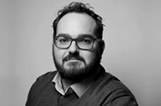
Talk by Dr Klados at York Festival of Ideas
Dr Manousos Klados, Associate Professor at our Psychology Department participated in this year's York Festival of Ideas with a talk on “Controlling Computers with Our Minds”. Can we really control computers with our brain? In his talk Dr Klados explained why the answer is yes. In his talk he said that this is made possible using a brain–computer interface (BCI) - a direct communication pathway between the brain and the computer. He also discussed how brain-computer interface became a reality, by looking more closely at the technological advancements in available devices such as predictive models. Watch Dr Klados’ talk
25/10/2021
CITY College Europe Campus participates in the 'York Festival of Ideas'
CITY College, University of York Europe Campus is happy to participate in this year's York Festival of Ideas with a talk by Dr Manousos Klados, Associate Professor at our Psychology Department. Controlling Computers with Our Minds Can we really control computers with our brain? Find out why the answer is most definitely yes with Masousos Klados, of CITY College, University of York Europe Campus. Thursday, 17 June 2021 17:30-18:30 EEST Speaker: Dr Manousos Klados Associate Professor, Psychology Department CITY College, University of York Europe Campus Overview Can we control computers with our brain? Yes! Find out how this is made possible using a brain–computer interface (BCI) - a direct communication pathway between the brain and the computer. BCIs are often directed at researching, mapping, assisting, augmenting, or repairing human cognitive or sensory-motor functions. Masousos Klados, of CITY College, University of York Europe Campus, discusses how brain-computer interface became a reality, by looking more closely at the technological advancements in available devices such as predictive models. He will also look at the main brain–computer interface categories and how they are currently used, showing recorded examples. Be sure not to miss the end of Masousos’s talk when he will link his brain with his computer online to control a media player. This event is hosted live on Zoom Webinar. You’ll receive a link to join a couple of days before the event takes place and a reminder an hour before. During the event, you can ask questions via a Q&A function but audience cameras and microphones will remain muted throughout. About the speaker Dr Masousos Klados is an Assistant Professor in the Psychology Department at CITY College, University of York Europe Campus. His research interests include mathematical anxiety, brain networks, affective and personality computing and biomedical signal processing. Following a PhD in Medicine (with distinction) from the Aristotle University in 2014, he received a postdoctoral fellowship in the Neuroanatomy and Connectivity research group at Max Planck Institute for Human Cognitive and Brain Science from 2014 to 2016, and was a Senior Researcher at the Chair of Lifespan Development Neurosciences at Technical University of Dresden. He then became a Lecturer in the Department of Biomedical Engineering at Aston University from 2017 to 2020 before joining CITY College last year. Visit York Festival of Ideas View Dr Manousos Klados' event at York Festival of Ideas
01/06/2021
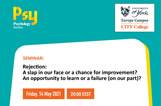
Seminar on Rejection by the Psychology Department
Friday, 14 May 2021 Online Registration Form Use your CITY email account Join the event! Seminar Overview Why does hearing “no” hurt so much? Who hasn’t been rejected? Fear of rejection is universal and a very common experience. MRI machines depicted that rejection activates the same areas of our brain as physical pain, which dates back to the first humans’ “herd” mentality. Long-lasting rejection has deep psychological effects and we all struggle to keep it out of our realm of experience. Taking back control of our life requires some social skills that would diminish our zero tolerance for rejection. By bolstering our self-worth or by strengthening our social connections we could use rejection to fuel our passion. An alternative perspective could link rejection to projection or even to protection. All these, and furthermore aspects will be discussed in a seminar organized by the Department of Psychology.
10/05/2021
Talk by Dr Klados at GIGA Consciousness Group
Dr Manousos Klados, Associate Professor at the Psychology Department of CITY College, University of York Europe Campus will be participating as speaker in the GIGA Consciousness Group with the talk: "Affective and Personality Computing: Automatic Recognition of Emotions and Personality using EEG Signals” on Friday, 19 March 2021 16:00 EET Overview: Emotion and personality play an important role in our interactions with people and computers in everyday life. Both emotions and personality, some believe, are what make our interactions human. Emotion and personality theory, however, are not grounded in the Human-Computer Interaction (HCI) discipline. Studying emotion and personality within the HCI discipline is an inherently interdisciplinary task. The specific areas of interest span from automatic recognition and synthesis of reactions enriched by emotional and personality-related cues, to the influence of emotion on information processing and decision-making. Automatic recognition of emotions and personality draws the greatest part of interest the last years, due to the plethora of potential applications in several fields. In this direction most of the studies are mainly focused on exploiting facial expression and speech characteristics in order to make computers able to understand human emotions and personality. Little attention has been paid on the neuroscientific underpinnings of emotion and personality constructs, that can help us to automatically recognize both emotions and personality in an objective way. In this presentation we will see how EEG can be used in order to automatically detect human emotions and personality profiles fusing neurophysiological based features with machine learning algorithms. Join the event
16/03/2021

'Psychology for All' open seminar series online
February - March - April 2021 The following events are going to take place in Greek. Παρασκευή 5 Φεβρουαρίου 2021 20:00 μμ Ζώντας στη ματιά και με τη ματιά του Άλλου Πέτρος Θεοδώρου Ψυχοθεραπευτής Gestalt Member of EAGT, PSP© Σχετικά με την ομιλία: Οι άνθρωποι διαφέρουμε γιατί ο καθένας μας είναι εκ κατασκευής μία μοναδική οντότητα. Και ταυτόχρονα αναζητούμε με πολλούς τρόπους, άμεσα ή έμμεσα, συνειδητά ή ασυνείδητα, τον «άλλον» άνθρωπο, τον Άλλον. Οι διαφορές μας όμως δεν είναι καθόλου εύκολα αποδεκτές. Αλλά και οι ομοιότητές μας, γρήγορα μάς κουράζουν. Οπότε, ως υπάρξεις ζούμε ένα ιδιότυπο είδος «υπαρξιακής μοναξιάς», λόγω ακριβώς της μοναδικότητάς μας. Ποιος είναι τελικά αυτός ο «Άλλος», ο οποίος λόγω της ετερότητάς του μάς ξεφεύγει διαρκώς, άλλοτε ως προδότης και άλλοτε ως άπιαστο ιδανικό; Πώς γίνεται και, αγαπητός ή μισητός, ενώ είναι πάντα στη διάθεση των ματιών μας, να παραμένει στην ουσία χωρίς σαφές σχήμα, τόσο παρών αλλά και τόσο απών; Join and share! Παρασκευή, 19 Μαρτίου 2021 20:00 μμ Αναπηρία: Το ταξίδι της προσαρμογής Συν-συντονισμός: Σιλιώνη Έλενα Ψυχολόγος Α.Π.Θ, απόφοιτος Gestalt Foundation Τζήκα Αφροδίτη, δικηγόρος, Σύμβουλος Ψυχικής Υγείας, εκπ. στην ψυχοθεραπεία Gestalt Σγούρου Μαρία Ψυχολόγος MSc, Εκπαιδευόμενη Ψυχοθεραπεύτρια Gestalt Σχετικά με την ομιλία: Στη διάλεξη αυτή θα γίνουμε μάρτυρες του ταξιδιού της προσαρμογής 8 γονέων παιδιών με κινητική αναπηρία, οι οποίοι τίμησαν με τη συμμετοχή τους τη διπλωματική εργασία της Σγούρου Μαρίας το έτος 2018-2019, στα πλαίσια της ολοκλήρωσης των Μεταπτυχιακών της σπουδών. Με αφετηρία το βίωμά τους, λοιπόν, θα επιχειρήσουμε να φωτίσουμε τις στροφές του μονοπατιού της δικής μας προσαρμογής και του θρήνου, ως απάντηση στη ματαίωση, που επιφέρει η επαφή με την πραγματικότητα. Αναπηρία- σοκάρει, τρομάζει, ανατρέπει προσδοκίες … Join and share! The following event is going to take place in English. Friday 9 April 2021 20:00 pm EEST Living in the eyes of the Other Petros Theodorou Gestalt Psychotherapist Member of EAGT, PSP© Overview: We are very different from one another because each one of us is a unique being. At the same time, we are searching out in many ways, consciously or no-consciously, for other human beings, for the Other. However, we do not all easily accept our differences. On the other hand, too many similarities are tiring. So, as beings, we are living a peculiar kind of “existential loneliness” due to our uniqueness. Finally, who is this “Other”? How does it happen and he always escapes us sometimes as a betrayer and some other times as a vague, unreachable idealised figure? How is that the Other, loved or hated, is always available to our eyes but still remains without a clear shape, so strangely present through her or his absence? Join and share! Είστε έτοιμοι να συμμετάσχετε; - Δεν χρειάζεται να συμπληρώσετε φόρμα συμμετοχής - Μπορείτε να συνδεθείτε μέσω της κινητής συσκευής, του φορητού υπολογιστή ή του υπολογιστή σας - Πατήστε το link για να συμμετέχετε στην εκδήλωση 10 λεπτά νωρίτερα, κάνοντας κλικ στο κουμπί "Συμμετοχή" (θα σας ζητηθεί να εισαγάγετε το email σας) - Βεβαιωθείτε ότι έχετε την κάμερα και το μικρόφωνό σας απενεργοποιημένα - Βεβαιωθείτε όταν μπείτε στην εφαρμογή της παρουσίασης ότι έχετε πατήσει το κουμπί PIN πάνω στην εικόνα του παρουσιαστή, ώστε να έχετε προβολή πλήρους οθόνης Συμμετοχή
21/01/2021
  4 from 15 4 from 15   |